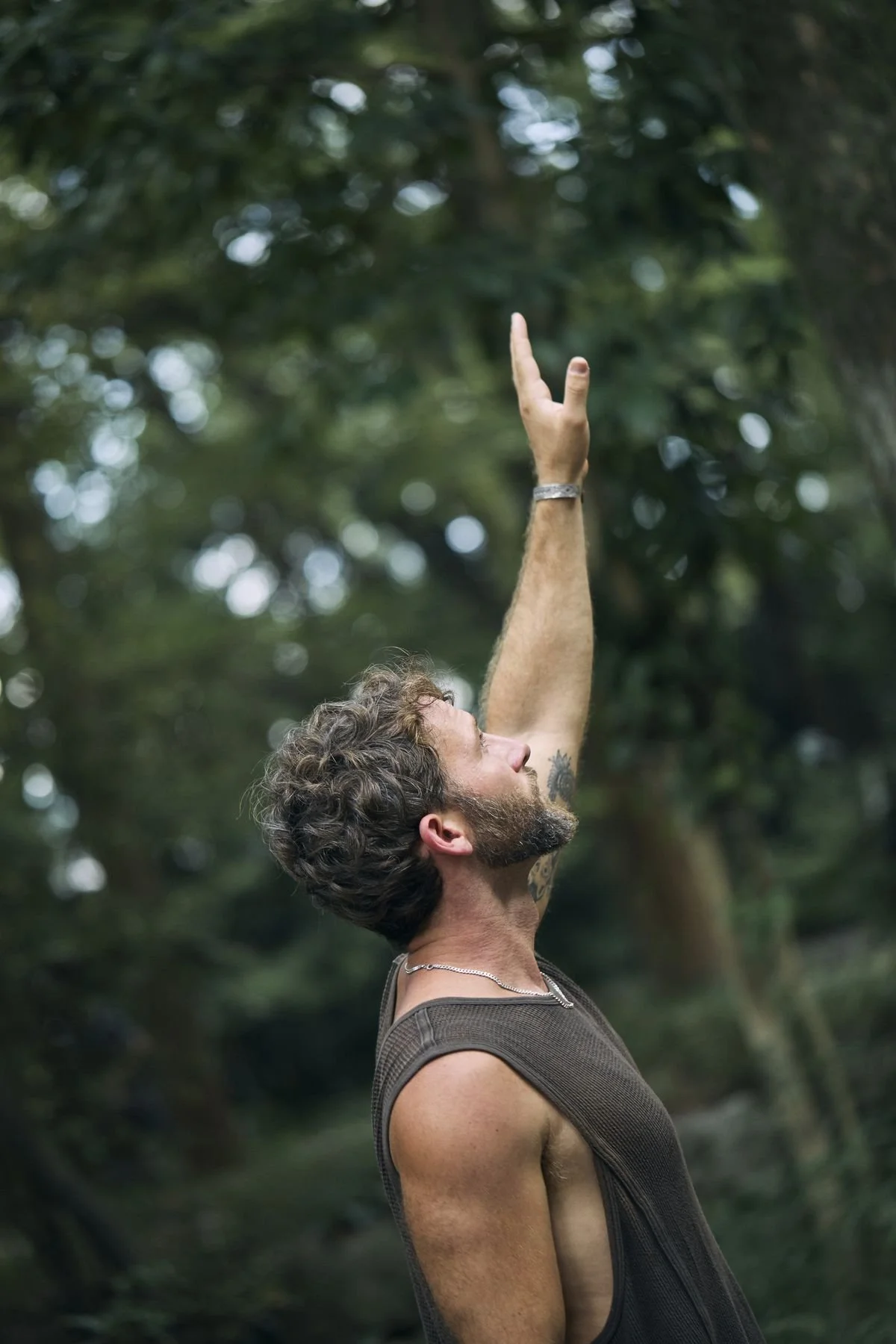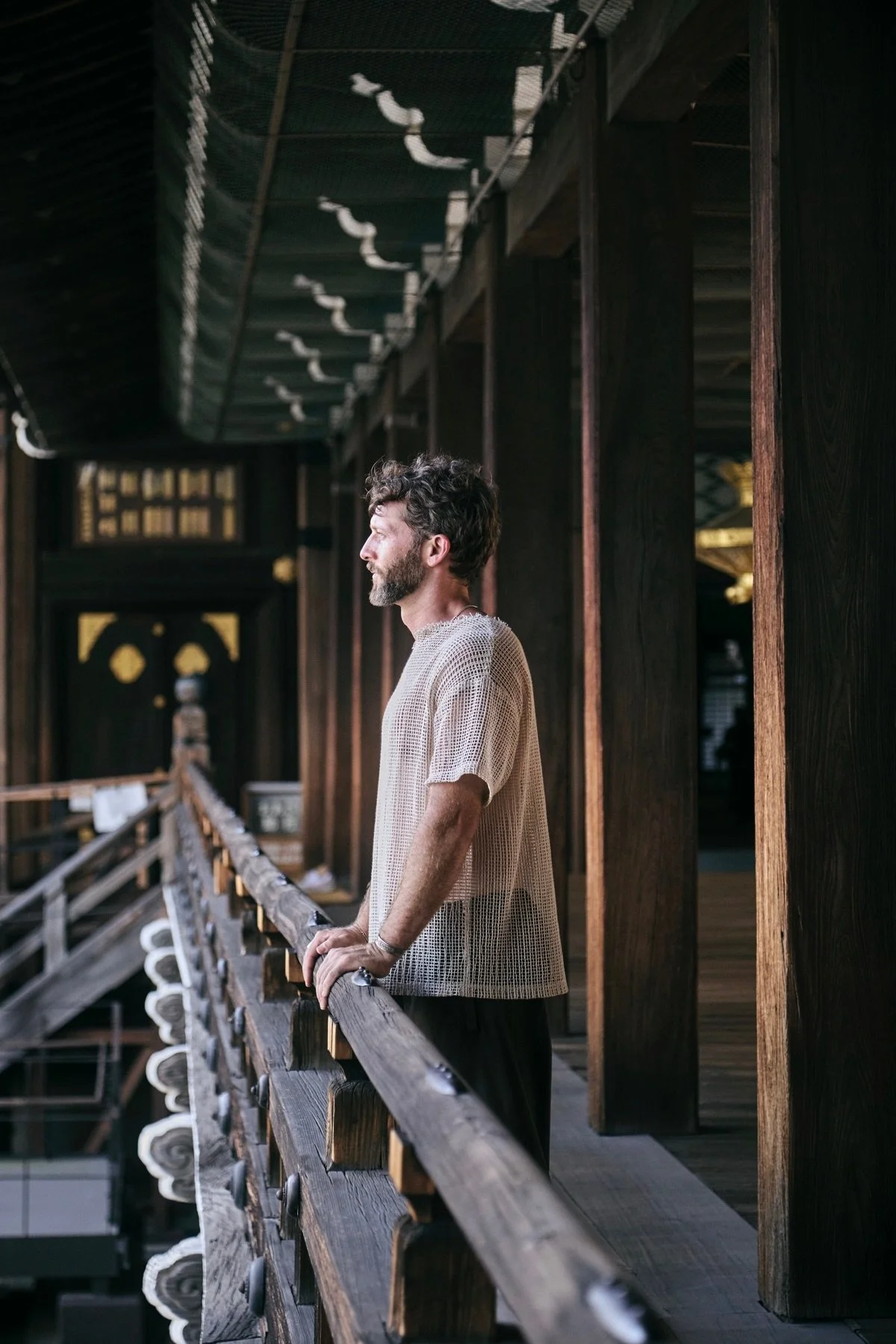
THE DOORS SLOWLY OPENED.
I've noticed that some of the most important moments in my life have begun that way.
A garage door lifting on a crisp February morning as I left the only home I'd ever known and drove across the country toward a life I couldn't yet see.
The flap of a sweat lodge opening after hours in the dark. Steam rising from the rocks. Voices chanting, "May the doors always be open," as sunlight poured through and touched my face.
The door to my father's room opening as I prepared to say goodbye.
Different moments. Different seasons of life. Yet all of them were thresholds—places where something ended and something new began.
I STILL REMEMBER STANDING IN THAT DOORWAY.
My sister opened the door from the other side, and as I looked toward the bed, my eyes seemed to be deceiving me. I saw a shell of a man who was once my father.
I knew he would die soon. Part of me began to as well. I fell to my knees.
For a long time, I thought controlling health was the answer.
I built my life around it. I worked as a personal trainer and nutrition coach, helping people become stronger, more disciplined, and more consistent in how they cared for themselves.
And it worked.
I watched people change their bodies through effort, discipline, and commitment. Pain diminished. Strength increased. Confidence returned.
But I started noticing something. People could be doing everything right and still feel disconnected. As if they were holding life together instead of fully living it. I was one of them.
The death of my father didn't create that realization, but it made it impossible to ignore. Time stood still. Impermanence became real. Holding grief in one hand and aliveness in the other became my reality. What mattered became clearer.
And the ways I had been avoiding parts of my life became harder to justify. There is a kind of awakening that comes when death enters the room. Not because you suddenly figure everything out. But because you stop pretending you have time to avoid what matters.
Soon after, certain things became harder to ignore. Especially in how I showed up with other people. Relationships stopped being something I could approach casually. They became a place where everything I thought I understood was tested. How to communicate honestly. How to take ownership instead of creating distance. Learning how to stay. And knowing when it was time to go.
So, I needed to go deeper…into myself.
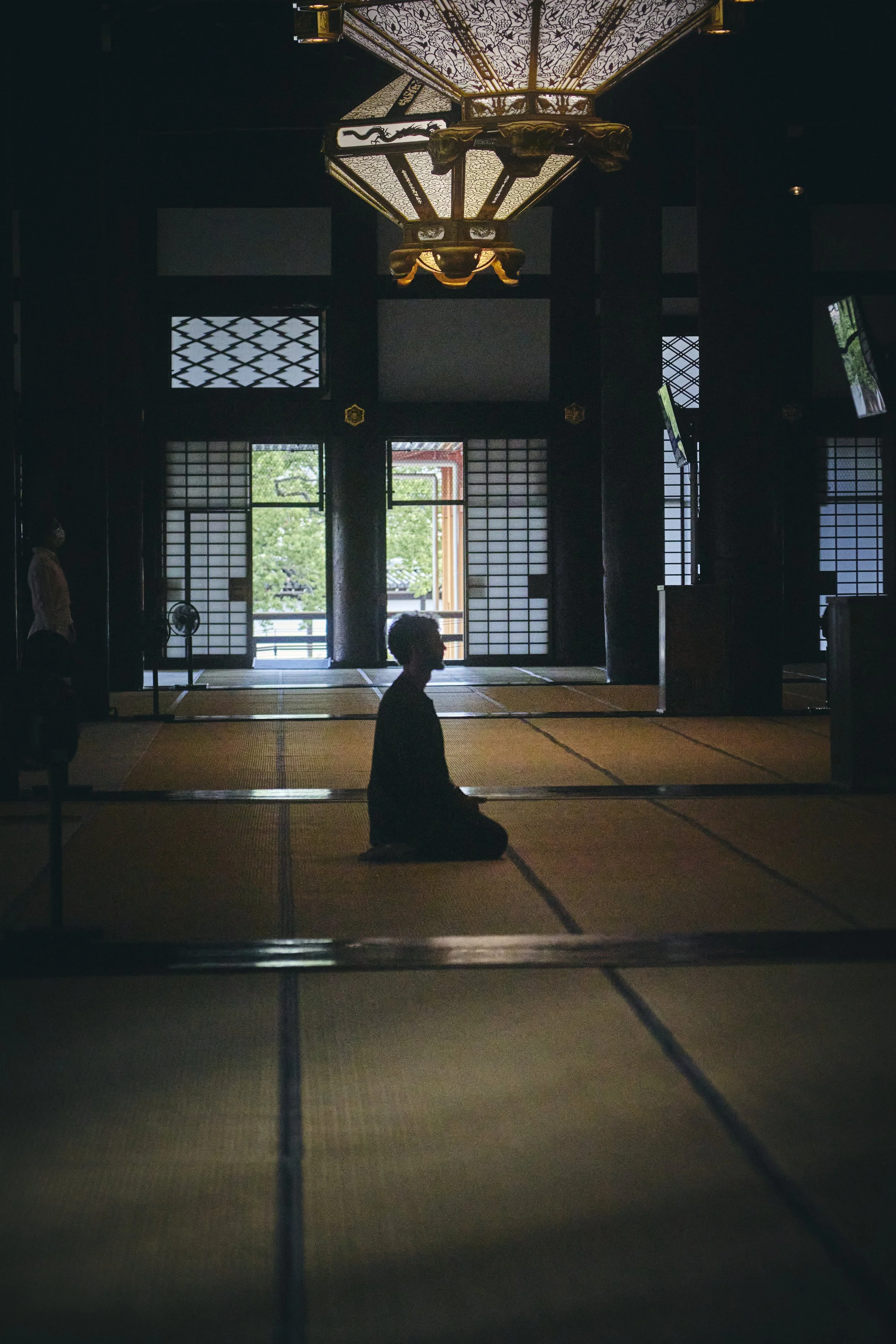
I spent time in ceremony and sat with elders whose relationship to life felt rooted in something I couldn't yet fully articulate.
Those spaces didn't give me answers. They stripped things away. They showed me where I wasn't listening. Where I was performing. Where I was avoiding responsibility. Devotion stopped being an idea. It became something I had to live. Looking back, all of it was pointing toward the same thing.
Most people don't lack information. They lack connection.
Connection to themselves. To their body. To the truth of how they're actually living. And for me, the work became less about fixing anything and more about integrating what had been abandoned, hidden, or fragmented. That's what I guide people through now.
The people I work with are often capable, driven, and doing well by most standards. But there's something underneath it. A pattern they can feel but haven't named. A way of moving through life that no longer holds. A sense that the life they've built and the life they're meant to live are no longer fully aligned.
That's where we begin.
Through conversation, movement, breath, time in nature, and an honest look at what keeps repeating itself. Not as separate practices, but as a way of bringing fragmented parts back into relationship.
The goal isn't insight. It's how you live.
I don't position myself above you. At times, I'll reflect what is already there but hasn't been fully seen. At times, I'll challenge what no longer serves. But the work only works if you're willing to meet it.
Much of what I do is focused on men — especially those navigating responsibility, direction, leadership, and the consistent pressures that often come with them. Some of the spaces I hold are open more broadly.
What matters isn't who you are on paper. It's whether you're willing to look honestly and take responsibility for what you see. THE FOUNDATION IS SIMPLE.
We're not broken. But we do become fragmented. Strength doesn't come from pushing harder or shutting parts of ourselves down. It comes from integrating what is already there.
Nature has a way of making that visible. And freedom isn't something you find by avoiding responsibility. It's something you build by embracing it.
This isn't quick work. But it's real. And it stays.
If something here lands, that's enough.
Start there.